
Should You Stay? Or Should You Go?
By Stephanie Riseley, CHt
How Hypnotherapy, CBT, Neuroscience, and Past-Life Regression Help
Heal the Wounds of Love Ending.
Are you in love with someone you know isn’t right for you? Are you happily married and suddenly you want to cheat? Are you staring at the end of a relationship and terrified of becoming the villain in someone else’s story?
Have no fear. You are normal. You come from a species that is not monogamous. At all.
According to “Sex at Dawn” and “The Red Queen,” we’re biologically wired for wandering attention. Falling in love can trigger something close to Obsessive Compulsive Disorder. Forbidden attraction, like between a boss and an employee, makes it worse.
None of that means you have to act on it. And none of it means every relationship deserves to survive. The skill set that can save a marriage and the skill that helps end a relationship with dignity are the same. It’s called staying conscious when your body wants to run on autopilot.
WHEN THE URGE IS TO STRAY
My former client Ryan called me out of the blue. Thirty-five now, and married to Brenda since they were nineteen, they run a wildly successful company together. He was falling for Maggie, a smart, funny twenty-four-year-old employee.
Ryan and Brenda had built an empire and let their marriage go cold doing it. Brenda collapsed into bed every night too exhausted for connection. Ryan felt unseen at home and completely seen at the office. Dangerous math. In couples therapy, I work with both partners separately.
In his regression, Ryan found himself as a wealthy shipping magnate in 1890s London. His business partner: Brenda, in that life too. His wife: Maggie, married for convenience, never for love.
Brenda’s regression showed her as a young Dutch sailor, with Ryan as her captain and Maggie as her jealous first officer.
The pull Ryan felt toward Maggie wasn’t random. It was old. But old doesn’t mean destined. We all cycle through the same handful of souls, lifetime after lifetime. You don’t have to sleep with all of them.
Once Ryan and Brenda saw the fuller picture, the obsession lost its grip. Maggie stayed on as a valued member of their team, not a threat. Ryan and Brenda came home to each other. Studies confirm what your grandmother already knew: couples who stay mated and in love live longer, healthier lives. Monogamy isn’t natural. It’s a choice your cells reward you for making anyway.
WHEN THE ANSWER IS TO GO
Here’s what I don’t say enough: sometimes the healthiest thing two people can do is leave.
Not every relationship is a past-life pull toward growth. Some are simply over, and the fear of being the one who ends it keeps people trapped in something already dead. I’ve watched clients stay in marriages for a decade past their expiration date because they were terrified of becoming “the bad guy.”
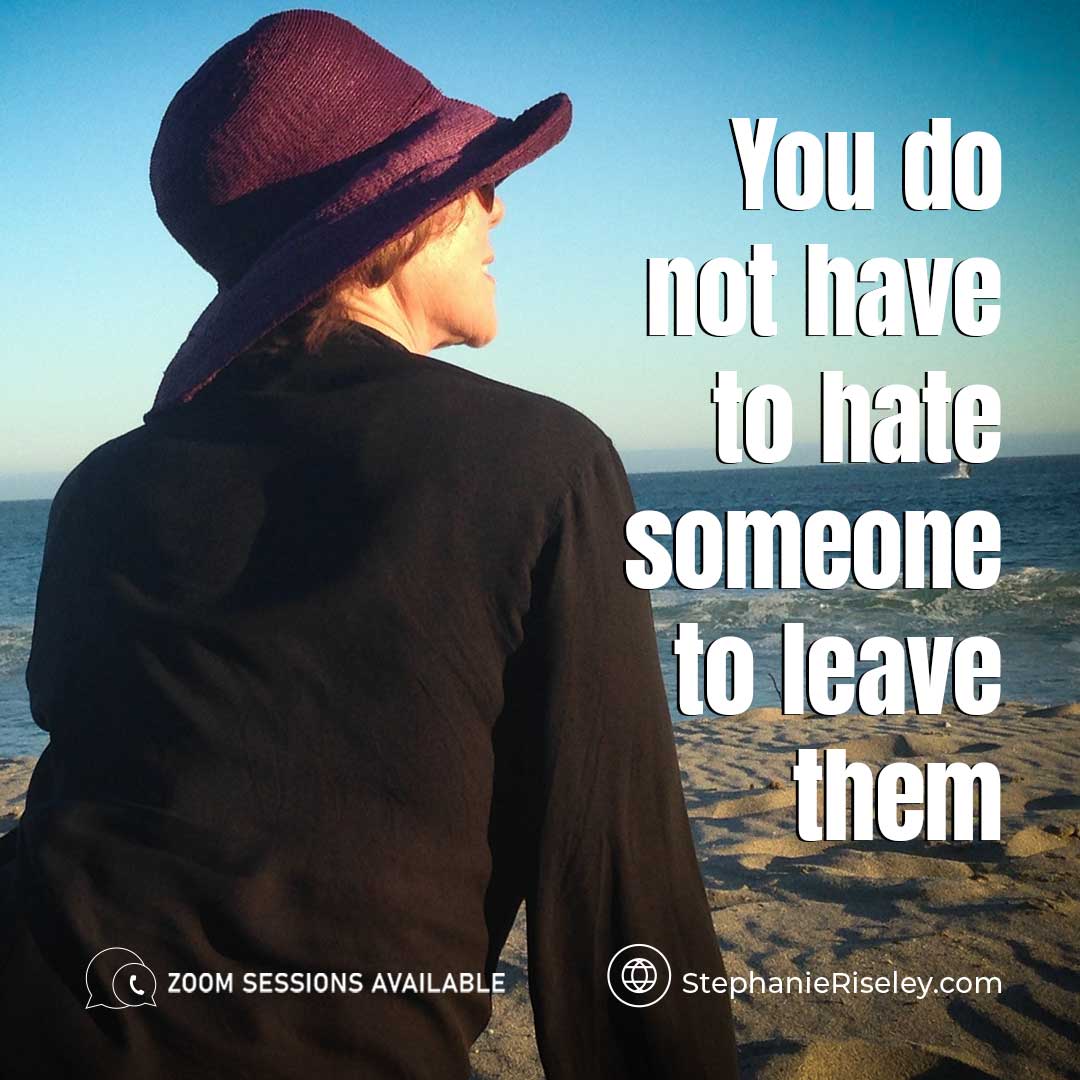
You do not have to hate someone to leave them. You do not need a villain in the story for the story to end. Two good people can build something real, outgrow it, and walk away without torching the years they had.
Your nervous system does not know the difference between a hard decision and a wrong one. It will scream at you either way. That’s not evidence you’re making a mistake. That’s just what change feels like in a body that prefers the familiar, even when the familiar is quietly killing you.
Ending a relationship with love means telling the truth early instead of letting resentment do your talking for you. It means grieving out loud instead of building a case against someone so you can feel justified. It means the door closes clean, so both people can walk through whatever’s next without dragging the wreckage behind them.
That, to me, is the highest use of this work. Not just saving marriages. Helping people end them without becoming someone they don’t recognize in the mirror.
THE SAME SKILL, TWO DIRECTIONS
Whether you’re fighting the urge to stray or gathering the courage to go, the work is identical: get quiet enough to hear what’s actually true, underneath the fear, the guilt, and the story you’re telling yourself about who you’re supposed to be.
I can’t tell you whether to stay or go. Nobody can, from the outside. But I can help you find out what you already know.
Healing the wound of a love ending isn’t about forgetting. It’s about letting go without losing yourself in the process. Through Hypnotherapy, Cognitive Behavioral Therapy, and Past-Life Regression, grounded in what neuroscience now confirms about how the brain rewires itself after loss, we work together to release what’s finished so you can walk forward whole.
If your relationship feels like it’s on the rocks, whether the storm is temptation or an ending you’ve been avoiding, give me a call.
Sending hope,
Stephanie
 Stephanie Riseley
 Stephanie Riseley Hypnotherapy